
Monday – Friday: 9 AM – 5 PM
Saturday: 8 AM – 1 PM
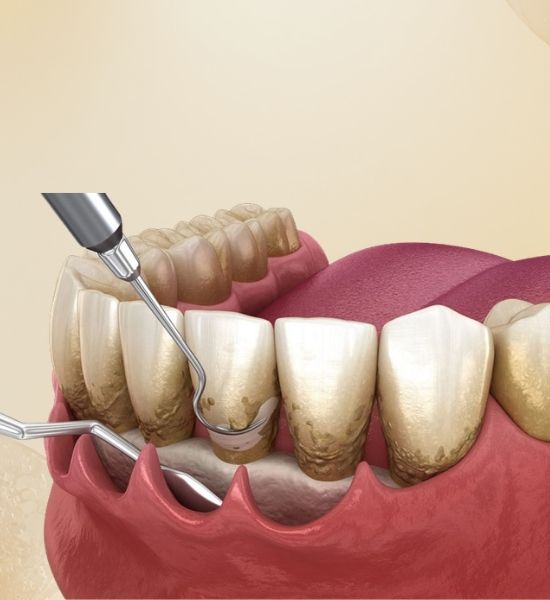
Osseous surgery is performed to treat advanced periodontal disease by reshaping the underlying bone structure. This helps eliminate deep pockets where bacteria can accumulate and cause further damage.
The procedure creates a more stable and maintainable environment for the gums and teeth. It also helps prevent the progression of periodontal disease.
This treatment is typically recommended when other periodontal therapies are not sufficient.
Osseous surgery is a critical procedure aimed at treating advanced periodontal disease by reshaping the bone structure that supports teeth. This surgical intervention is essential for patients with severe gum disease, where traditional treatments may not suffice. The procedure helps to eliminate pockets of infection and provides a healthier environment for gum tissue to heal.
During osseous surgery, the dentist removes infected tissue and reshapes the bone to create a more favorable contour for the gums. This not only aids in the recovery of the periodontal tissues but also enhances the overall aesthetics of the smile. Patients can expect improved oral health and reduced risk of tooth loss following this treatment.
The benefits of osseous surgery extend beyond immediate health improvements; they also contribute to long-term oral wellness. This procedure not only addresses the current issues related to periodontal disease but also helps prevent future complications, ensuring that the teeth remain stable and functional.
Moreover, osseous surgery can lead to significant improvements in the patient's quality of life. Many individuals report enhanced confidence in their smiles, as the procedure can correct gum recession and tooth mobility. With proper aftercare and maintenance, patients can enjoy lasting results and a healthier mouth.
Patients undergoing osseous surgery can expect a thorough examination and detailed discussion of the procedure beforehand. The dentist will explain each step, including anesthesia options, the surgical process, and post-operative care. Understanding what to expect helps alleviate anxiety and prepares patients for a smoother experience.
During the procedure, which typically lasts a couple of hours, the dentist will carefully access the affected areas of the gums and bone. Post-surgery, patients will receive specific instructions for care, including dietary recommendations and hygiene practices to promote healing and prevent infection.
Post-operative care is crucial for ensuring a successful recovery after osseous surgery. Patients are advised to follow their dentist's instructions closely, which may include taking prescribed medications, maintaining a soft diet, and avoiding strenuous activities for a few days.
Recovery times can vary, but most patients can resume normal activities within a week. Regular follow-up appointments will be scheduled to monitor healing and ensure that the gums and bone are responding positively to the treatment. Adhering to good oral hygiene practices is essential for maintaining the benefits of the surgery.